Building carbon management programs that stand up to regulatory and investor scrutiny
Climate disclosure requirements are accelerating globally, raising expectations that emissions data be as dependable and auditable as financial information. Regulations such as California’s Climate Corporate Data Accountability Act and the EU’s Corporate Sustainability Reporting Directive are pushing companies toward greater consistency, transparency, and assurance in how they measure and report emissions.
For commercial leaders, this shift changes the nature of the challenge. Climate reporting is no longer a periodic compliance exercise; it is becoming an enterprise control issue that affects risk management, investor confidence, and strategic decision‑making. Data that cannot withstand reasonable assurance introduces delays, reputational risk, and costly rework—often at the moment scrutiny is highest.
To respond, companies must move beyond ad hoc reporting and build structured, audit‑ready carbon management programs that align regulatory requirements with long‑term business value. The goal is not just compliance, but confidence: decision‑grade climate data that holds up under scrutiny and supports credible action over time.
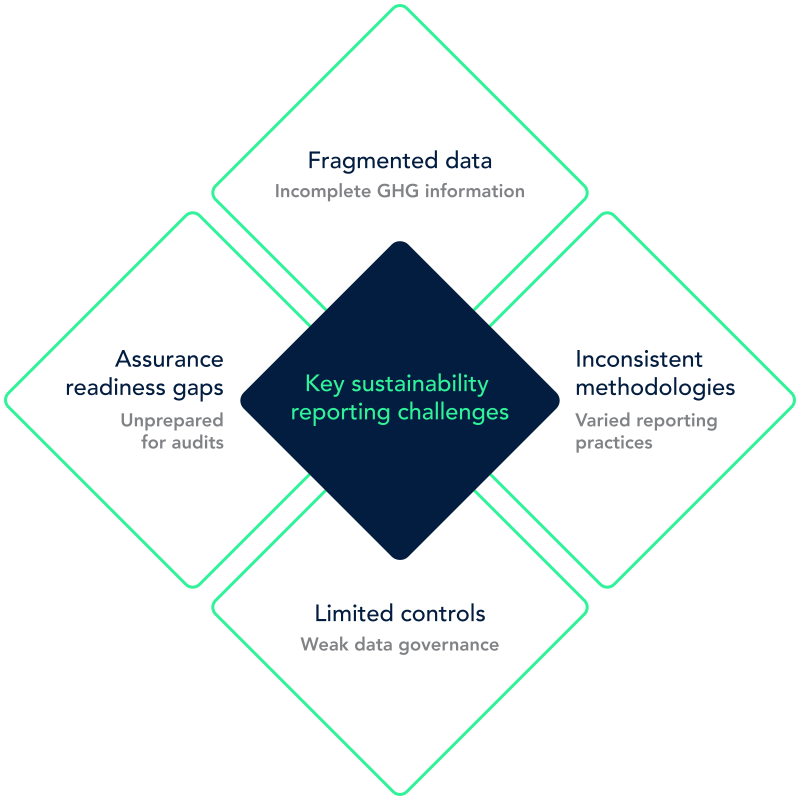
However, translating regulations into operational reality while maintaining progress toward climate goals can prove challenging. Common issues include:
- Fragmented or incomplete Scope 1, 2, and 3 emissions data.
- Inconsistent methodologies and documentation across business units.
- Limited internal controls and governance over emissions data.
- Uncertainty about assurance expectations and readiness gaps.
Without a structured approach to maintaining and reporting climate data, companies may face compliance delays, reputational risk, and additional costs.
Instilling confidence with a structured approach
A more disciplined approach to carbon management helps organizations improve data quality, strengthen governance, and prepare for assurance.
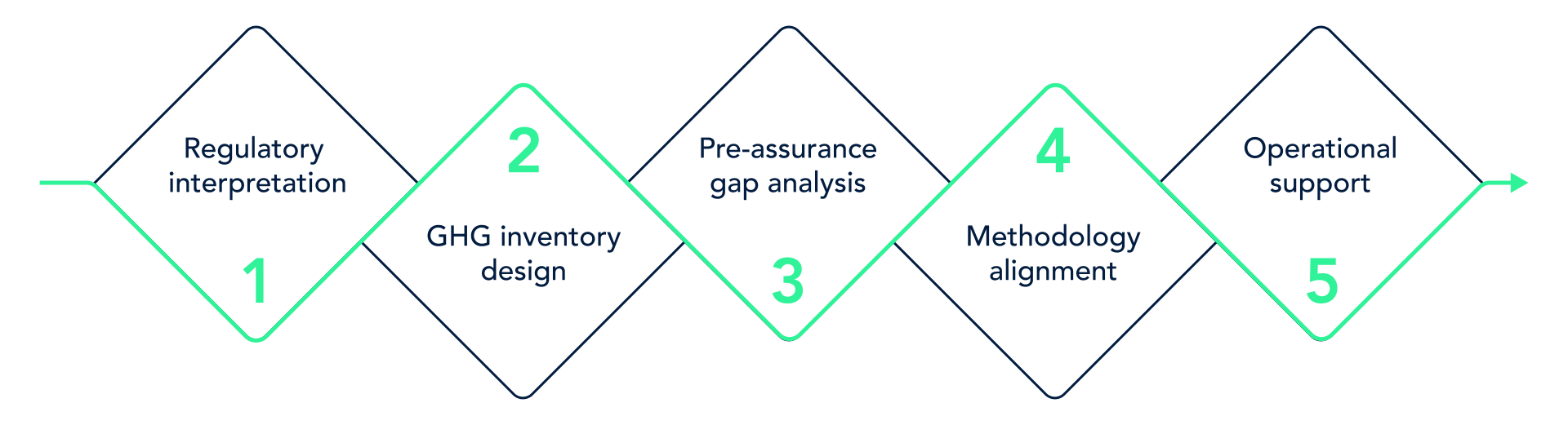
In practice, leading organizations are taking a more integrated approach that combines sustainability strategy, technical rigor, and assurance readiness. This often includes:
- Intepreting evolving regulatory requirements and assessing readiness.
- Designing and refining emissions inventories across Scopes 1, 2, and 3.
- Aligning methodologies with established standards such as the Greenhouse Gas Protocol and International Organization for Standardization.
- Conducting pre-assurance gap assessments, controls testing, and documentation reviews.
- Establishing governance, processes, and data management approaches.
- Linking emissions data to transition risk and reduction planning.
Taking these steps early can help reduce risk, streamline future audits, and embed climate-based considerations into core business operations.
Companies that take this structured approach are better positioned to:
- Meet regulatory disclosure requirements accurately and on time.
- Deliver audit‑ready emissions inventories with clear methodologies and controls.
- Reduce assurance costs and minimize last‑minute remediation.
- Strengthen stakeholder confidence in climate disclosures
- Build a scalable foundation for future regulations and long-term goals.
The result is not just compliance, but a more resilient, transparent, and credible climate program.
A structured approach in action
A global biopharmaceutical company partnered with us to strengthen its emissions inventory and prepare for increasing regulatory and assurance expectations.
The effort focused on improving data quality, governance, and methodological consistency across the organization. In practice, this shift required leaders to treat emissions data as an enterprise asset—governed, controlled, and tested with the same rigor applied to financial reporting. As a result, the company:
- Improved and addressed gaps in data collection, quality, controls, and governance.
- Aligned methodologies and documentation with assurance‑ready practices.
- Expanded and standardized its enterprise‑wide emissions inventory across all scope and emissions sources.
- Increased internal confidence in reported data ahead of external review.
The collaboration improved the robustness and credibility of the company’s emissions reporting and positioned it to respond proactively to emerging climate regulations while supporting its broader reduction goals.
Future focused
As climate disclosure requirements evolve, the differentiator will not be who reports first, but who reports with confidence. Companies that invest early in structured, assurance‑ready carbon management are better positioned to reduce risk, meet regulatory expectations, and maintain credibility with investors, customers, and boards.
The leadership question is no longer whether climate reporting will face greater scrutiny, but whether existing data, controls, and governance models are ready for it. Organizations that treat carbon management as a core enterprise capability—rather than a standalone sustainability function—are more likely to navigate near‑term regulatory pressure while building resilience for what comes next.
